Have you ever noticed how today’s Gothic fiction sends delicious shivers down your spine while tackling modern fears? You’ll find classic haunted manors and family curses getting fresh makeovers, with diverse voices breathing new life into age-old terrors. From Leigh Bardugo’s “Hell Bent” to T. Kingfisher’s spine-tingling takes on domestic horror, there’s a haunting tale waiting around every shadowy corner. Let’s investigate the dark hallways where contemporary anxieties meet traditional Gothic elements – just watch your step!
Key Takeaways
- Contemporary Gothic fiction blends traditional elements like haunted houses and family curses with modern elements such as smart technology and smartphones.
- Notable 2023 releases like “Hell Bent” and “A House with Good Bones” showcase diverse cultural perspectives within Gothic storytelling.
- Modern Gothic narratives often feature unreliable narrators and psychological depth while exploring themes of identity and family relationships.
- Settings remain crucial, with abandoned chapels, portrait galleries, and gothic mansions serving as backdrops for supernatural and mysterious events.
- The genre successfully combines multiple elements including horror, mystery, and romance while addressing contemporary social anxieties.

Haunted Portrait Gallery Mystery
Moving from crumbling chapels to grand manor halls, the haunted portrait gallery stands as one of Gothic fiction’s most spine-chilling settings! You’ll find these mysterious corridors lined with paintings whose eyes seem to follow your every move, each portrait holding secrets of generations past. Within these galleries, you’re never quite alone – the ancestral spirits watch and wait, their stories begging to be uncovered.
In modern Gothic tales, portrait galleries serve as perfect venues for psychological mysteries. You’ll encounter cryptic clues hidden in brushstrokes, haunted images that change when you’re not looking, and dark family legacies revealed through aging canvases. The portraits aren’t just decorative – they’re windows into unresolved tragedies and obsessions that continue to shape the present day’s events. It’s like Instagram for ghosts, but way creepier! The ghastly entities haunting these halls mirror the real-life spirits that roam through Connecticut’s most notorious manor houses.
Secret Garden Murder Spree
Behind every pristine garden wall lurks the potential for sinister secrets! You’ll find this theme brilliantly examined in modern Gothic mysteries like “Murder in the Secret Garden,” where manicured hedges and blooming roses become the perfect backdrop for deadly deeds. These garden-themed mysteries aren’t your grandmother’s cozy whodunits – they’re deliciously dark tales that blend historical influences with contemporary psychological depth.

When you venture into these stories, you’ll uncover how seemingly peaceful gardens transform into sinister settings where fear takes root. The genre masterfully plays with your perception, using nature’s beauty to heighten tension. Whether it’s a poisonous plant collection or a centuries-old maze hiding dark secrets, these stories prove that the most beautiful gardens often cultivate the deadliest mysteries! The intimate retreat setting allows for deeper character relationships to develop as mysteries unfold among the thorny roses.
Lighthouse Keeper’s Hidden Room
While lighthouses stand as signals of safety along treacherous coastlines, they’ve become perfect settings for some of today’s most gripping Gothic mysteries! You’ll find that modern authors love exploiting the fundamental isolation and atmospheric tension of these towering beacons, especially when it comes to hidden rooms and dark secrets.
Picture yourself finding a mysterious door behind decades of lighthouse logs, or stumbling upon coded messages left by a keeper who vanished without a trace. Today’s Gothic fiction transforms these maritime landmarks into treasure troves of psychological suspense. The contrast between the lighthouse’s light of hope and its shadowy corners creates the perfect stage for revealing long-buried mysteries. From Emma Stonex’s “The Lamplighters” to Carmel Harrington’s “The Lighthouse Secret,” you’ll find yourself drawn into tales where isolation breeds both madness and revelation. The windswept coast of Cork provides an especially haunting backdrop for these atmospheric tales of mystery and deception.


Attic Dollhouse Murder Series
Several spine-tingling mysteries unfold in the “Attic Dollhouse Murder Series,” where supernatural dolls and family secrets collide in the most unsettling ways! You’ll follow Amy, a determined teenager, as she finds a mysterious dollhouse that’s an exact replica of her family’s old home – and these dolls aren’t playing around. They’re recreating a chilling murder scene from the past!

What makes this series truly special is how it weaves together supernatural elements with real family drama. You’ll find yourself caught up in Amy’s journey as she reveals the truth about her grandparents’ murder while maneuvering relationships with her sister Louann and Aunt Clare. The attic setting (because what’s a good gothic tale without a creepy attic?) creates the perfect backdrop for this award-winning series that’ll keep you up at night! Written by acclaimed author Betty Ren Wright, who penned 28 children’s novels, this haunting tale continues to captivate young readers.
Misty Hollow Ghost Mansion
Once considered a sleepy tourist attraction, the Misty Hollow Ghost Mansion has transformed into one of contemporary gothic fiction’s most compelling settings! You’ll find yourself immersed in a world where Victorian architecture meets modern mystery, as this atmospheric series masterfully blends historical elements with contemporary storytelling.
Within these haunted halls, you’re treated to all the classic gothic elements you’d expect – creaking floorboards, unexplained shadows, and family secrets that refuse to stay buried. But what sets Misty Hollow apart is how it cleverly updates traditional gothic themes for today’s readers. The mansion’s dark corridors might remind you of Dracula’s castle, but don’t be surprised when characters pull out their smartphones to document supernatural occurrences! It’s this perfect balance of old and new that keeps readers coming back for more spine-tingling adventures. The arrival of a new deputy in town adds another layer of intrigue to the mansion’s mysteries, bringing unexpected tensions to this seemingly idyllic setting.
Mexican Gothic” by Silvia Moreno-Garcia

When it comes to contemporary Gothic fiction, Silvia Moreno-Garcia’s *Mexican Gothic* really stands out. This novel is set in 1950s Mexico and follows Noemí Taboada as she investigates her cousin’s troubling health issues in a creepy remote mansion. What’s fascinating is how Moreno-Garcia takes apart the genre’s colonial roots. The story’s steeped in feminist themes and uses rich cultural symbolism to explore Mexico’s colonial history, all while incorporating classic Gothic elements like isolation, ancestral corruption, and crumbling architecture. It dives into how foreign powers have historically exploited indigenous lands. Plus, by blending science with superstition, Moreno-Garcia offers a powerful critique of patriarchal control and eugenics. With over 437,000 ratings averaging 3.66 on Goodreads, *Mexican Gothic* shows how today’s authors are refreshing Gothic traditions with postcolonial perspectives.
The Little Stranger” by Waters
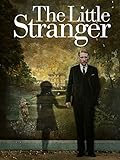


In *The Little Stranger* by Sarah Waters, you dive into Gothic terror rooted in Britain’s postwar class angst and social unrest. As you follow Dr. Faraday, he gets wrapped up with the fading Ayres family at their crumbling estate, Hundreds Hall. Waters expertly intertwines supernatural elements with psychological decline, making it tough to figure out if the eerie happenings are due to vengeful spirits or human despair. The real power of the novel lies in its examination of class dynamics—Faraday’s uncertain social standing and his obsessive nostalgia for the estate reflect Britain’s rough postwar transition. With rich, vivid prose, Waters creates a chilling atmosphere that delves into how class resentment and unfulfilled dreams can haunt people just as much as ghosts. This one’s definitely a must-read for anyone into contemporary Gothic literature.
The Silent Companions” by Purcell

In “The Silent Companions,” Purcell does a fantastic job of building atmosphere with rich historical detail, really tapping into those classic gothic elements. She dives deep into the psychological effects of Victorian repression. The wooden figures in the story act like externalized fears—it’s as if the secrets trapped in the walls are coming to haunt the living. This gives off a vibe that’s reminiscent of *The Turn of the Screw*, but Purcell roots her spooky elements in actual historical practices, which makes it all feel more authentic. Plus, the dual timeline structure ramps up the suspense, showing how past traumas refuse to stay buried.
The Thirteenth Tale” by Setterfield
Got it! Let’s dive right in.
How does a book about books capture the essence of Gothic literature while also celebrating storytelling? Diane Setterfield’s 2006 debut does just that through the character of Margaret, a biographer pulled into the mysterious narrative of author Vida Winter. The novel’s Gothic elements—think family secrets, identity crises, and eerie estates—pay homage to Brontë and du Maurier, while keeping it fresh and relevant today.

What really sets this book apart are its compelling narrative layers. You’ll find yourself shifting between Margaret’s current investigation and Winter’s shadowy past, blurring the lines between truth and fiction. With an impressive 3.98 stars and over 325,000 ratings on Goodreads, readers rave about Setterfield’s poignant writing and clever structure. This isn’t just a casual Gothic read; it delves into how storytelling shapes identity, memory, and truth—making it a must-read for anyone interested in the modern evolution of Gothic literature.
The Woman in Black” by Hill


“The Woman in Black” by Susan Hill is a standout in modern Gothic fiction, and for good reason. This 1983 novel takes you through a chilling tale with solicitor Arthur Kipps at its center, echoing the eerie vibes of classics like “The Turn of the Screw.” Hill smoothly weaves in themes of ghosts, unresolved grief, and vengeance. The isolated marshes around Eel Marsh House heighten Kipps’ emotional isolation, keeping him trapped both physically and mentally.
What’s great about Hill’s approach is that she builds tension without relying on over-the-top horror. Instead, it’s all about crafting a sense of dread through careful, detailed writing and slowly uncovering tragedy. The adaptations of this novel—from stage to film—only highlight how relevant its themes remain today. It’s a compelling reminder of how Gothic literature can tap into our deepest fears about loss and mortality. If you’re looking for a haunting read, this one’s hard to beat.
Rebecca” by Du Maurier


Daphne du Maurier’s “Rebecca” (1938) offers a unique take on Gothic terror by illustrating how the past can overshadow the present through memory. The story follows an unnamed narrator who marries Maxim de Winter, only to find that his late wife’s presence looms large over Manderley estate. Themes of jealousy, identity, and psychological obsession echo elements from “Jane Eyre,” but du Maurier’s approach is refreshingly original. Rather than relying on supernatural frights, she turns memory into a gripping force, making the absence of Rebecca feel all-consuming. With a solid 4.25 rating on Goodreads and Hitchcock’s famous 1940 film adaptation, “Rebecca” is essential reading for anyone interested in how trauma and obsession shape Gothic fiction today.
Recent Gothic Fiction Releases
Gothic fiction is alive and well in the 2020s, with authors bringing fresh perspectives to classic themes. If you’re into haunting tales that mix traditional elements with modern twists, check out these recent releases:
- *Starling House* by Alix E. Harrow (2023) – Delve into the darkness with atmospheric storytelling that keeps you on edge.
- *The Hacienda* by Isabel Cañas (2022) – Experience a haunted mansion intertwined with post-Mexican War exorcism vibes.
- *What Moves the Dead* by T. Kingfisher (2022) – A contemporary take on *The Fall of the House of Usher* that reimagines the original with a modern flair.
- *A Dowry of Blood* by S.T. Gibson (2021) – Explore love and betrayal through a Gothic lens that twists familiar conventions.
- *Bunny* by Mona Awad (2019) – This one mixes Gothic horror with the obsession of university friendships, creating a unique blend that’s hard to put down.


These titles showcase how today’s authors are keeping the Gothic spirit alive while bringing their own unique spins to the genre. Happy reading!