Guatemala’s literary scene is a treasure trove of stories that peel back the layers of its complex history.
These books don’t just recount facts; they reconstruct memories, often through the eyes of indigenous voices like Rigoberta Menchú or the magical realism found in Miguel Ángel Asturias’ rich narratives.
Each piece is like a historical artifact, revealing what typical records might miss.
Whether you’re into political exposés or enchanting myths, these works will push you to think about power, erasure, and resilience in a whole new way.
Key Takeaways
Here are some notable books set in Guatemala that you might find interesting:
- “Men of Maize” by Miguel Ángel Asturias dives into Guatemala’s indigenous culture through a lens of magical realism. It’s a captivating read that really brings the heritage to life.
- “I, Rigoberta Menchú” is a powerful testimonial that shares the experiences of the Maya during Guatemala’s civil war and the broader struggles of indigenous people. It’s essential reading for understanding that perspective.
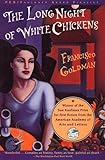
- “The Long Night of White Chickens” by Francisco Goldman blends personal and political trauma, offering a unique view of the complexities surrounding Guatemala’s history.
- “The Art of Political Murder” investigates the assassination of Bishop Gerardi and sheds light on the corruption that followed the civil war, making it a gripping exploration of justice and accountability.
- “Silence on the Mountain” brings forward the voices of survivors who experienced state violence against indigenous communities during the civil war. It’s a haunting reminder of the impact of that period.



Each of these books provides invaluable insight into Guatemala’s past and culture, so you might want to check them out!
Top Guatemalan Literature Picks
Here are some must-reads that capture the essence of Guatemalan literature:
- “Men of Maize” by Miguel Ángel Asturias — This one dives deep into indigenous heritage using the lens of magical realism. It’s really a celebration of culture and cosmology.
- “I, Rigoberta Menchú” — A powerful testimonial narrative that sheds light on indigenous struggles during the civil war. It gives a raw and important perspective on the atrocities faced.
- “The Long Night of White Chickens” by Francisco Goldman — This book blends personal trauma with the backdrop of Guatemala’s complex political landscape. It’s a gripping exploration of identity and violence.
- “Guatemalan Rhapsody: Stories” by Jared Lemus — A collection that showcases fresh voices in contemporary Guatemalan literature, each story adding depth to the national narrative.
These picks really highlight how Guatemala’s challenging history influences its literary scene. Enjoy diving in!
I, Rigoberta Menchu: Indigenous Testimony
The real impact of this testimony is in its raw honesty—it puts you face-to-face with experiences that traditional academic histories often gloss over. While some scholars have debated details, the essential truth stands firm: it portrays the collective suffering and resilience of the Maya during the brutal genocidal campaigns. Menchú’s 1992 Nobel Peace Prize showcased Indigenous voices on a global stage, making her autobiography key for anyone looking to grasp Guatemala’s ongoing battles for justice and recognition.
The Art of Political Murder
Bishop Juan Gerardi was brutally murdered just two days after releasing a report that revealed the staggering toll of Guatemala’s civil war, with 150,000 victims. For Francisco Goldman, this wasn’t just a murder—it was a direct attack on the truth. In “The Art of Political Murder,” he weaves journalism with storytelling to uncover how military forces went after Guatemala’s bravest human rights advocate. You’ll see how the post-civil-war political landscape allowed perpetrators to act with freedom, corrupting investigations and scaring off witnesses. Goldman’s approach lays bare how state actors work to dismantle justice, making this book a vital look at accountability. It shows that dealing with past atrocities means confronting deep-set power structures that thrive on obscuring the truth.
Bitter Fruit: American Coup

In “Bitter Fruit,” authors Stephen Schlesinger and Stephen Kinzer take a hard look at the 1954 U.S.-backed coup that toppled Guatemala’s democratically elected President, Jacobo Arbenz. They lay it all out: corporate greed and Cold War fears collided in a way that wreaked havoc on an entire nation. The United Fruit Company’s pushback against land reforms sparked U.S. intervention, setting off a chain of events that changed Guatemala forever.
Schlesinger and Kinzer connect the dots from this coup to the 36-year civil war that followed, showing how U.S. foreign policy decisions led to serious human rights violations against indigenous communities. With clear analysis, they reveal how this destabilization resulted in lasting violence and migration patterns. This book doesn’t shy away from tough truths about our history and how the impacts of interventionism are still felt in Central America today. So, if you’re looking to understand how past choices echo into the present, “Bitter Fruit” is a must-read.
Silence on the Mountain: Terror
While “Bitter Fruit” dives into the outside influences that led to Guatemala’s tragic history, Daniel Wilkinson’s “Silence on the Mountain” brings you right into the heart of it. This book presents real-life accounts from survivors, shedding light on the brutal realities of the civil war. You’ll hear firsthand how military forces targeted indigenous Maya communities from the 1960s to the 1990s, with stories that don’t hold back. Wilkinson skillfully blends these narratives with solid historical context, showing how state violence has shaped Guatemala’s ongoing struggles with justice and memory. This isn’t just a history lesson; it’s a deep dive into how terror became a form of governance and how silence emerged as a strategy for survival. You’ll come away with a better understanding of how these events continue to influence present-day Guatemala, highlighting the urgent need for recognition and accountability.
The Long Night of White Chickens
Francisco Goldman’s “The Long Night of White Chickens” offers a unique take on a murder mystery by diving deep into Guatemala’s turbulent history during the 1980s civil war. The investigation into a Guatemalan nanny’s death serves as a powerful lens for exploring the impact of violence and displacement on people’s lives.
Goldman skillfully navigates between Boston and Guatemala City, highlighting how personal trauma resonates with broader political issues. His storytelling is intricate and reflective of memory’s fragmented nature, pushing you to think critically about the past. Plus, the book provides insightful commentary on U.S. involvement in Central America and its role in shaping Guatemala’s struggles.
Men of Maize: Mayan Mythology
Miguel Ángel Asturias’s “Men of Maize” dives into the sacred world of the Maya, where maize is more than just food; it’s what humanity is made from. Using magical realism, Asturias weaves together ancient myths with the tough realities of Guatemala today, telling the story of indigenous farmers who are fighting against forces that threaten their ancestral lands. The symbolism of maize runs deep throughout the novel—it’s about spiritual identity, community, and standing strong against erasure. This book is both literature and a form of cultural preservation, showcasing how indigenous traditions hold their ground against modernization’s threats. Asturias’s work, which earned him the Nobel Prize in 1967, doesn’t sugarcoat the struggles of Maya culture. Instead, it highlights their ongoing battles, deeply rooted in a cosmology that’s consistently challenged by Western progress.
Recent Guatemala Fiction Releases
Guatemala’s literary scene is alive and kicking, with voices that are determined to keep historical wounds from fading into the background. Check out some emerging authors, like Jared Lemus, whose “Guatemalan Rhapsody: Stories” (2025) blends cultural themes with creative storytelling. Here are a few recent titles you should definitely dive into:
- “Solito” by Javier Zamora (2022): This powerful memoir (4.48 rating) takes an honest look at the realities of migrant journeys.
- “Tree Girl” by Ben Mikaelsen (2004): A gripping tale of survival set against a backdrop of conflict (4.13 rating).
- “The Tattooed Soldier” by Héctor Tobar (1998): This novel explores identity and displacement in Los Angeles (3.95 rating).
- “El material humano” by Rodrigo Rey Rosa (2009): A deep dive into Guatemala’s moral complexities through archival research (3.73 rating).
Each of these works invites you to engage with Guatemala’s ongoing struggles while celebrating its rich storytelling legacy.