You’ve likely noticed how certain thriller novelists grip you differently than others—Christie’s clockwork puzzles feel worlds apart from le Carré’s moral ambiguity, yet both masters command your attention completely. What separates competent suspense from the kind that haunts you? The answer lies in understanding how these authors manipulate time, psychology, and revelation. Before you can identify the genre’s true titans, you’ll need to recognize what makes their particular brand of tension unforgettable.
Key Takeaways
- Agatha Christie and Arthur Conan Doyle established foundational detective fiction with intricate puzzles and iconic characters like Sherlock Holmes.
- John le Carré revolutionized spy thrillers with morally complex Cold War narratives, contrasting with Ian Fleming’s action-driven Bond series.
- Gillian Flynn and Paula Hawkins masterfully employ unreliable narration to explore psychological suspense and fractured perceptions of reality.
- Lee Child and Stephen Hunter define action thrillers through tactical precision and propulsive plotting with minimal psychological introspection.
- Raymond Chandler and Dashiell Hammett transformed crime fiction with gritty realism and sophisticated prose, elevating genre conventions.


The Defining Traits of Great Thriller Novelists
Mastery distinguishes the exceptional thriller novelist from the merely competent. You’ll recognize greatness in how authors manipulate narrative pacing—balancing moments of breathless tension with strategic releases that prevent reader fatigue. Consider Stephen King’s deliberate escalation or Gillian Flynn’s calculated reveals; they’ve transformed pacing into an art form.
Character motivation becomes the engine driving these narratives forward. When you examine Lee Child’s Jack Reacher or Harlan Coben’s flawed protagonists, you’ll find psychologically complex figures whose desires and fears feel authentic. Great thriller writers don’t simply place characters in perilous situations—they investigate why these individuals make specific choices under pressure.
The unpredictable twist separates memorable work from formulaic fare. You’re challenged, surprised, and forced to reconsider everything you’ve assumed about the narrative’s direction.


Golden Age Thriller Novelists Who Built the Genre
Between the two World Wars, a generation of writers forged the architectural blueprint for modern thrillers, establishing narrative conventions that authors still deploy nearly a century later. You’ll find thriller origins in Agatha Christie’s intricate puzzle mysteries like “Murder on the Orient Express,” where her meticulous plotting became genre gospel. Sir Arthur Conan Doyle’s Sherlock Holmes stories, particularly “A Study in Scarlet,” established detective archetypes still recognizable today. The genre evolution took a grittier turn with Dashiell Hammett’s “The Maltese Falcon,” introducing hardboiled realism that shattered genteel conventions. Raymond Chandler’s Philip Marlowe novels like “The Big Sleep” added stylistic sophistication and psychological complexity. These pioneers transformed thrillers from simple whodunits into complex explorations of human nature, creating frameworks you’ll recognize in every contemporary thriller you read.


Masters of Psychological Suspense and Twisted Plots
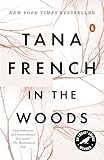
The contemporary thriller setting shifted dramatically when authors began weaponizing the reader’s own mind against them, transforming psychological manipulation into narrative architecture. Gillian Flynn’s *Gone Girl* exemplifies this mastery through unreliable narration that dissects marriage as performance art, while Paula Hawkins deploys alcoholic amnesia in *The Girl on the Train* to destabilize memory itself. Stephen King’s *Misery* remains the definitive exploration of obsession’s psychological toll, where captivity becomes mental warfare. Tana French weaves childhood trauma into *In the Woods*, creating atmospheric dread that seeps into every revelation. Ruth Ware’s *The Woman in Cabin 10* traps readers in claustrophobic paranoia, questioning perception alongside her protagonist. These authors understand that true psychological tension emerges not from external threats but from narrative deception that makes you doubt your own deductions.


Spy Thriller Novelists Who Perfected Espionage
While psychological thrillers turn the reader’s mind into a battlefield, spy fiction converts geopolitics into personal crisis, where ideology becomes identity and betrayal operates as currency. You’ll find le Carré’s *The Spy Who Came in from the Cold* strips espionage of romanticism, revealing Cold War moral rot through character depth that questions loyalty itself. Fleming’s Bond series offers the genre’s glamorous counterpoint—*Casino Royale* established action-driven escapism that’s enthralled generations. Ludlum’s *The Bourne Identity* merges psychological fragmentation with conspiracy, while Deighton’s *The Ipcress File* delivers gritty authenticity over spectacle. Greene’s *The Quiet American* exemplifies espionage ethics at their most complex, positioning spies as simultaneously heroic and morally compromised. These novelists perfected espionage by understanding that intelligence work fundamentally examines human corruption.

Action and Military Thriller Legends
Action and military thrillers weaponize velocity itself, transforming tactical precision into narrative momentum where each firefight becomes a moral calculation compressed into split-second decisions. You’ll uncover how these masters engineer action packed narratives through characters who embody military authenticity—from Stephen Hunter’s Bob Lee Swagger to Lee Child’s Jack Reacher, whose ex-military expertise anchors moral complexity within kinetic violence.
| Author | Signature Character | Defining Element |
|---|---|---|
| Stephen Hunter | Bob Lee Swagger | Ballistic precision meets psychological depth |
| Lee Child | Jack Reacher | Drifter justice through tactical superiority |
| Vince Flynn | Mitch Rapp | Post-9/11 intelligence operations |
| David Morrell | John Rambo | Trauma-forged warrior mythology |
| Alistair MacLean | Ensemble casts | WWII-era strategic suspense |
These novelists transform battlefield ethics into propulsive storytelling, where every tactical choice reverberates with consequence.
Crime Thriller Novelists With Iconic Detectives
Genre evolution demanded grittier realism. Raymond Chandler’s Philip Marlowe (*The Big Sleep*) and Dashiell Hammett’s Sam Spade (*The Maltese Falcon*) introduced moral ambiguity to iconic detectives, while Robert B. Parker’s Spenser series balanced hard-boiled tradition with relationship-driven complexity.

Best Contemporary Thriller Novelists Reshaping the Genre
As traditional boundaries dissolved in the twenty-first century, a new generation of thriller writers dismantled conventions their predecessors established. Gillian Flynn shattered the domestic thriller formula with *Gone Girl*, weaponizing unreliable narration to expose marriage as a theater of calculated deceptions—her toxic protagonists Amy and Nick Dunne perform their roles with such chilling authenticity that readers question every relationship’s surface stability. Paula Hawkins continued this narrative innovation in *The Girl on the Train*, fragmenting memory itself to investigate how perception constructs reality. Tana French raised character development through atmospheric prose in *In the Woods*, merging literary techniques with procedural investigation. Ruth Ware revived gothic claustrophobia for contemporary audiences with *The Woman in Cabin 10*, while Harlan Coben’s *Tell No One* compressed personal stakes into breakneck pacing, proving thrillers could maintain both emotional depth and relentless momentum.

Underrated Thriller Novelists Who Deserve More Recognition
While contemporary bestseller lists lionize the same familiar names, Eric Ambler perfected the psychological espionage thriller decades before le Carré received credit for the innovation—his 1939 masterpiece *A Coffin for Dimitrios* stripped away glamorous spy mythology to reveal intelligence work as bureaucratic paranoia, following an amateur writer through Europe’s shadows as he reconstructs a dead agent’s fragmented biography. Charlotte Jay achieved what few thriller writers manage: her 1952 Edgar-winning *Beat Not the Bones* transported gothic menace to Papua New Guinea’s unfamiliar terrain, layering colonial tensions beneath murder-mystery mechanics with an anthropological precision that anticipated postcolonial crime fiction by decades. Shirley Jackson remains inexplicably categorized as merely a horror writer, though *We Have Always Lived in the Castle* operates as pure psychological thriller—the Blackwood sisters’ claustrophobic domesticity generates suspense through narrative unreliability and social persecution, demonstrating how thriller mechanics function through atmospheric dread rather than conventional plotting.

Where to Start: Reading Paths for Every Thriller Fan
Three distinct reading paths accommodate thriller readers’ divergent appetites, each calibrated to specific narrative preferences that determine whether a novel engages or frustrates. Action-oriented readers should pursue Lee Child’s *Killing Floor* or Stephen Hunter’s *Point of Impact*, where propulsive plotting supersedes introspection. These reading suggestions prioritize kinetic sequences and tactical precision over psychological excavation. Conversely, if you’re drawn to cerebral complexity, Gillian Flynn’s *Gone Girl* delivers unreliable narration and matrimonial dissection that rewards analytical engagement. Michael Connelly’s *The Lincoln Lawyer* bridges these genre preferences, balancing procedural intricacy with character development. For newcomers seeking accessible entry points, Elle Cosimano’s *Finlay Donovan Is Killing It* offers tonal levity without sacrificing narrative momentum—a palate cleanser before embarking on darker, more demanding works that define thriller fiction’s upper echelons.