Poland’s literary scene is as rich and complex as its history.
Think of Olga Tokarczuk’s mythic realism and Isaac Bashevis Singer’s tales of lost shtetls. These stories take you beyond picturesque streets and forests, urging you to grapple with memory and its aftermath.
They invite you to reflect on what remains when borders shift and empires fall. Instead of asking if Polish literature matters, consider what you’ll learn about the human experience shaped by history’s weight.
Key Takeaways
- Polish literature is rich and varied, often reflecting the country’s complex history. You’ve got powerful WWII narratives like “The Tattooist of Auschwitz” and “The Boy on the Wooden Box” that really capture the human experience during tough times.
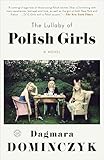
- Then there’s contemporary fiction, such as “Winter Under Water” and “The Lullaby of Polish Girls,” which gives you a glimpse into modern urban life and identity in Poland today.
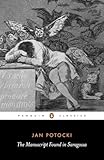
- Don’t overlook the classics! Works like Jan Potocki’s “The Manuscript Found in Saragossa” and Bolesław Prus’s “The Doll” are essential reads for anyone interested in societal realism.
- Nobel winners like Olga Tokarczuk and Wisława Szymborska bring together mythology, philosophy, and current themes, showcasing the depth of Polish literature.
- Lastly, if you’re drawn to Holocaust narratives, “Cilka’s Journey” and “The Good Doctor of Warsaw” are powerful explorations of survival and morality during the occupation. These books offer a rich tapestry of experiences and insights into Polish culture.

Classic Polish Literary Works
Classic Polish literature gives us a peek into a nation shaped by partitions, occupations, and major shifts, all while holding on to its unique culture. These works tackle deep existential questions and reflect on Poland’s complex history through symbolic storytelling.
Here are some key titles you shouldn’t miss:
- Jan Potocki’s “The Manuscript Found in Saragossa” – This one’s a labyrinth of interwoven tales that keeps you guessing.
- Bolesław Prus’s “The Doll” – It’s a keen look at society’s layers, told with sharp realism.
- Stefan Żeromski’s “The Quack” – This book dives into the moral quandaries faced during wartime.
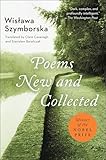
- Wisława Szymborska’s poetry – Her work astutely explores what it means to be human, often with a philosophical flair.
- Olga Tokarczuk’s fiction – She blends mythology with modern themes in a way that feels fresh and relevant.
These authors use rich allegories to address resilience in the face of oppression, particularly under the shadow of World War II. Their narratives not only challenge us to think about identity and survival, but also make us reflect on our ethical responsibilities amid historical turmoil.
Historical Fiction From Warsaw
Warsaw’s cobblestones have seen their fair share of triumphs and tragedies, but it’s the Nazi occupation and its aftermath that really stand out in historical fiction. If you’re looking for some compelling reads, check out Elisabeth Gifford’s “The Good Doctor of Warsaw.” It tells the heart-wrenching story of Dr. Janusz Korczak and his unwavering commitment to children in the ghetto during dire times. Meanwhile, Heather Morris’s “Cilka’s Journey” takes the narrative a step further, exploring identity struggles that continue after liberation, right from Auschwitz to the complexities of post-war life.
These stories don’t just recount the destruction caused by the Warsaw Uprising—over 80% of the city was flattened—but they also celebrate the spirit of resistance that blossomed amid chaos. Through deeply emotional arcs and connections to Polish heritage, these authors shine a light on the resilience of characters who turned survival into an act of defiance.

Tales of Krakow Streets
If you’re heading south from the remnants of Warsaw, you’ll find a different vibe in Krakow. Its medieval streets tell stories of resilience, with stone archways and cobbled lanes largely unscathed by the war. This gives the city a narrative that focuses on what has endured over what was lost.
Take James Hopkin’s “Winter Under Water,” for instance. The characters navigate their personal lives against Krakow’s rich backdrop, turning the city’s streets into a canvas for urban identity where feelings of isolation intertwine with a sense of belonging.
| Thematic Element | Literary Function |
|---|---|
| Stone architecture | Memory preservation |
| Wartime survival | Emotional complexity |
| Medieval layout | Identity navigation |
| Cultural continuity | Belonging exploration |
Writers use Krakow’s physical presence to dive into how our environments shape who we are. The city becomes a psychological landscape where love, loss, and self-discovery unfold. If you’re into literature that explores these themes through a rich setting, Krakow has plenty to offer.
Holocaust and WWII Narratives
Switching gears from Krakow’s stunning medieval buildings to its haunting past, the literature takes on a whole new vibe—one that demands your attention. Holocaust and WWII stories set in Poland push us to think about humanity’s dark side, as well as our ability to endure. Books like “The Things We Cannot Say” and “The Boy on the Wooden Box” show how survival tales go beyond just recounting events; they dig deep into memory and meaning.
Then you’ve got titles like “The Tattooist of Auschwitz” and Primo Levi’s “Survival in Auschwitz,” both tackling complex moral issues that just can’t be brushed off. “Cilka’s Journey” is especially thought-provoking, as it dives into the gray areas of collaboration and survival in Auschwitz and Siberian gulags—nothing is black and white here. These narratives invite you to witness individual experiences amidst massive horror, turning Poland’s landscape into a space of moral questioning.


Contemporary Polish Urban Fiction
When you delve into contemporary Polish urban fiction, you really start to feel the heartbeat of modern cities as they shake off the shadows of wartime history. Authors like Magdalena McGuire, in “Home is Nearby,” take a hard look at how martial law impacted artists in Wroclaw. James Hopkin’s “Winter Under Water” gives us a glimpse into the essence of Krakow and Warsaw through intimate character portraits. Then there’s Dagmara Dominczyka’s “The Lullaby of Polish Girls,” which explores the emotional struggles women face under societal pressures. These novels are more than just stories; they serve as cultural snapshots, showcasing how communism’s legacy continues to shape Poland’s evolving identity. And let’s not forget—the cities themselves are characters in these tales, reflecting a society balancing its complex past with a vibrant present.
Rural Polish Village Stories
Rural Polish villages have a rich presence in literature, often serving as microcosms where the weight of history is deeply felt. Take Magdalena McGuire’s “Home is Nearby,” for instance. It dives into how the crisis of martial law in 1980 echoed through artistic circles, shaping cultural identity in the midst of political unrest. Here, the agrarian landscape isn’t just a pretty picture; it plays a crucial role in molding the characters and their consciousness through the rhythms of land and tradition.
Then there’s Dagmara Dominczyka’s “The Lullaby of Polish Girls.” This novel explores how displacement turns memories into a kind of heartfelt ache, especially for protagonists who return to confront complex feelings of nostalgia. These stories really highlight the resilience of rural communities, showing how they endure repeated historical upheaval while holding onto traditional structures. It’s fascinating to see how these authors peel back the layers of emotional depth in village life, where personal ties often mirror wider societal issues, showcasing Poland’s enduring spirit rooted in its contested landscapes.
Polish Folklore and Mythology Tales
| Creature | Symbolic Meaning |
|---|---|
| Wawel Dragon | Represents the triumph of intelligence over brute force. |
| Syrenka | Acts as Warsaw’s beloved protective spirit. |
| Rusalka | Embodies the fatal allure of desire. |
These fascinating figures are still relevant today. During events like St. Andrew’s Night, people engage in divination practices that underscore how deeply rooted these folklore traditions are in Polish culture. They also spark inspiration for contemporary writers, showcasing the lasting impact of these myths and stories on Poland’s literary scene.
Recent Releases
Poland’s rich cultural landscape is getting a fresh take from contemporary authors who continue to draw from the depths of the nation’s complex history. If you’re interested in gripping stories that explore wartime experiences in Warsaw, you won’t want to miss these two notable releases from 2023:
- “We Must Not Think of Ourselves” by Lauren Grodstein
- “The Keeper of Hidden Books” by Madeline Martin


Both books dive deep into Poland’s WWII legacy through the lens of personal stories. Grodstein tackles moral dilemmas in dire situations, while Martin highlights the importance of cultural preservation. Their unique perspectives show how modern literature can turn historical trauma into engaging narratives that resonate with today’s readers looking for insight.