Japanese mystery novels stand apart from their Western counterparts in some pretty fascinating ways. They aren’t just simple whodunits; they often present intricate puzzles that require your full attention to solve.
Back in the mid-20th century, authors like Seishi Yokomizo and Soji Shimada set the stage with the honkaku tradition, emphasizing fair play and logical deduction rather than just trying to shock you.
Fast forward to now, and contemporary writers like Keigo Higashino have added layers of psychological complexity to these classic structures.
This blend of tradition and innovation is a big reason why Japanese mystery novels keep topping international bestseller lists.
Key Takeaways
If you’re diving into Japanese mystery novels, you’re in for a treat. Authors like Seishi Yokomizo and Akimitsu Takagi have laid the groundwork with classic honkaku mysteries that spotlight logical reasoning and fair play, making sure readers can join in on the sleuthing.

- Take “The Honjin Murders” by Yokomizo, where a locked room mystery unfolds on a wedding night in 1937 Japan—definitely a classic that keeps you guessing.
- Then there’s “The Tattoo Murder” by Takagi, which intertwines traditional Japanese tattoos with a chilling murder plot set in post-war Japan.
- Don’t overlook “The Tokyo Zodiac Murders” by Shimada, either. It’s a wild ride with impossible crimes, ritualistic killings, and astrology that will really stretch your brain.
- On the modern front, Keigo Higashino’s thrillers, especially “The Devotion of Suspect X,” bring a psychological twist and tackle contemporary themes, making them super engaging. Happy reading!
Classic Honkaku Mystery Books
Classic honkaku mystery books really stand out because they prioritize logical reasoning and fair play, inviting readers to dive into the detective work themselves. This genre makes sure that clues are presented transparently, which encourages readers to engage through careful deduction.


Here are a few must-know authors who have shaped this intriguing genre:
- Seishi Yokomizo – He’s the mastermind behind the Kindaichi detective series and his book The Honjin Murders is a perfect example of a locked-room mystery filled with clever plot twists.
- Akimitsu Takagi – If you prefer something grittier, you might want to check out The Tattoo Murder, which showcases his unique style.
- English translations – These have really opened up Japanese crime fiction to a global audience, showcasing its richness and variety.
- Thematic exploration – These stories often dig into societal norms, human emotions, and cultural traditions, providing a rich historical context.
These translated classics not only entertain but also reflect Japan’s evolving societal perspectives, all while sticking to their puzzle-centric roots.
The Tattoo Murder by Takagi

Akimitsu Takagi’s *The Tattoo Murder* (1948) is a standout in the world of honkaku mysteries, making waves in the West for its bold approach. This novel mixes rigorous puzzle-solving with a chilling theme, exploring murders tied to traditional Japanese tattoos. The protagonist’s fixation on a tattooed victim introduces deep themes of obsession that shape the story’s psychological elements. Set against the backdrop of post-war Japan, it delves into societal tensions regarding tattoo imagery—often linked to crime and superstition—while sticking to the honkaku approach of fair-play clues and deductive reasoning. Takagi skillfully weaves together cozy crime elements with unsettling visual content, resulting in a book that’s both an intellectual puzzle and a commentary on the darker sides of artistic expression.
The Honjin Murders by Yokomizo
| Element | Significance |
|---|---|
| Setting | The 1937 wedding night amps up the tension. |
| Mystery Type | A locked room mystery with a clever solution. |
| Cultural Context | Explores traditional family roles and societal norms. |
| Detective Method | Clues invite readers to join the sleuthing. |
What sets this novel apart from Western mysteries is Yokomizo’s incorporation of traditional Japanese elements throughout the investigation. His work not only solidified his reputation as Japan’s crime fiction master but also showcases a unique analytical depth, all while being accessible for readers who want an authentic Japanese detective story.
The Inugami Curse by Yokomizo

The Inugami Curse takes you to post-World War II Japan, where detective Kosuke Kindaichi is called to a remote lakeside mansion to sort through a tangled mess of inheritance, murder, and a creepy supernatural legacy. This classic from Yokomizo is a prime example of the honkaku mystery genre, filled with clues that make you feel like you’re piecing together the puzzle right alongside Kindaichi.
The real draw here is the family drama—each heir to the deceased businessman’s fortune has their own secrets and motivations, and Kindaichi dives deep to unearth them. You’ll see some serious psychological layers as characters peel back their public personas to reveal their true selves. The book strikes a neat balance between tradition and the shifts happening in post-war Japan, showing how these changes impact familial ties. With its gripping character arcs and the ever-present Inugami curse, Yokomizo delivers a mystery where the real dangers lie within human nature, often more chilling than any ghostly tale.
The Tokyo Zodiac Murders by Shimada

If you’re diving into detective fiction, Sōji Shimada’s *The Tokyo Zodiac Murders* is a must-read. Unlike some of the more traditional Kindaichi mysteries, Shimada takes things up a notch with mind-bending puzzles and a focus on impossible crimes. The story follows amateur sleuth Kiyoshi Mitarai as he digs into a series of ritualistic murders that plagued Tokyo for decades—six victims, all dismembered in line with an artist’s twisted designs.
What sets this novel apart is its blend of astrology and forensic science. You’ll find astrology puzzles woven into the narrative, giving you a chance to piece together clues right alongside Mitarai. Shimada even includes the murderer’s notes in the text, making reader participation essential. This approach really showcases the “shin honkaku” style, where you get to play detective yourself. The interplay of traditional Japanese themes with deep psychological elements results in a complex, engaging mystery that really pays off for attentive readers. Grab a copy, and get ready to think!
The Decagon House Murders

Yukito Ayatsuji’s *The Decagon House Murders* (1987) is a key player in the shin honkaku movement, breathing new life into Japanese detective fiction. It’s all about fair-play and architectural precision. Picture this: seven students, named as nods to mystery icons like Christie and Carr, digging into a murder/suicide on a remote island. It’s got that classic *And Then There Were None* vibe with its trapped atmosphere. The story leans heavily on logical deduction, so you’ll be piecing together clues alongside the characters. What really stands out are those jaw-dropping plot twists, especially a note from someone who’s supposedly dead—totally flips the script on everything you’ve learned so far. The characters’ motives stay under wraps until the big reveal, showcasing Ayatsuji’s skill in crafting a tight mystery. This intricate puzzle has earned the novel a devoted following.
The Mill House Murders

After making a splash with his debut, Ayatsuji followed up with *The Mill House Murders* (1988), ramping up the tension with its eerie architecture and locked-room mysteries. When a group of friends gathers at a mansion steeped in a bloody past, you’ll be drawn into a web of motivations as fresh murders echo historical horrors. The story structure nods to Christie’s *And Then There Were None*, but Ayatsuji brings a contemporary Japanese twist. You’ll find yourself piecing together clues alongside the detective club, sketching out crime scene diagrams and digging into alibis. The book’s detailed layout—with floor plans and timelines—makes you more of a detective than a mere reader. If you’re someone who enjoys tracking relationships and sequences, this read is definitely a rewarding challenge.
Modern Japanese Mystery Novels
As the honkaku tradition evolved beyond Ayatsuji’s intricate puzzles, Keigo Higashino really stepped onto the scene as a leading figure in Japanese mystery fiction, gaining recognition worldwide. His work not only captivated local readers but also appealed to an international audience through psychological thrillers and innovative storytelling techniques. Here’s a quick look at some of his standout titles:
- *The Devotion of Suspect X*: This one has a stellar rating (4.17 with over 76,000 ratings) and focuses on a brilliant math teacher who devises a complex plot to cover up a murder.
- *Salvation of a Saint*: This novel keeps the detective narrative engaging while diving into modern societal issues.
- *Malice*: Here, Higashino delves into the intricate psychological motivations that drive people to commit crimes.
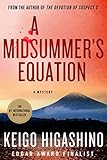
- *A Midsummer’s Equation*: This title cleverly ties in environmental discussions with the twists and turns of a murder investigation.


This shift in Japanese mystery fiction takes it beyond just logical puzzles into deeper territory, blending the honkaku foundations with storytelling that clicks with readers who crave a deeper analytical experience.