Rhodes is a fascinating spot in Mediterranean literature, blending ancient myths with the tumult of the twentieth century. Authors have tackled everything from Durrell’s poetic takes on postwar life to gripping historical novels about the island’s Jewish communities and its Knights Hospitaller history.
What makes stories set in Rhodes stand out isn’t just the beautiful backdrop; it’s the way writers explore the island’s diverse identities—drawing from Greek, Turkish, Italian, and Jewish cultures that have mixed over the years.
It’s worth diving into how these authors choose to portray Rhodes and the layers they uncover.
Key Takeaways
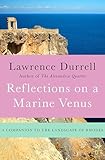
- Lawrence Durrell’s “Reflections on a Marine Venus” gives you a beautifully poetic glimpse into Rhodes, highlighting its rich culture and the vibe of the post-war years.
- Check out “Villa of Secrets” by Wilson for a deep dive into WWII on Rhodes, focusing on the strength of the Jewish community and the lasting effects of trauma during the occupation.
- Nathan Shachar’s “The Lost World of Rhodes” is a must-read if you’re interested in the historical mingling of Greeks, Italians, Jews, and Turks on the island.
- Pavlidis’s “Rhodes 1306-1522 a Story” is perfect for those curious about the medieval era, detailing the major events when the Knights ruled.
- “Knights of Rhodes – The Palace and the City” blends architectural insights with historical details, making it engaging for today’s readers.


Classic and Contemporary Rhodes Fiction
Rhodes has intrigued writers for years, producing a range of literature from mid-century travelogues to modern historical fiction. The island’s cultural influences are at the heart of these stories, featuring works like Durrell’s 1953 “Reflections on a Marine Venus” (rated 3.91) and Wilson’s “Villa of Secrets,” which delves into Jewish experiences during WWII through dual timelines.
The historical contexts in these narratives vary:
- Durrell paints Rhodes’s landscapes with rich prose, bringing the island to life.
- Wilson focuses on wartime Rhodes, highlighting Jewish family stories amid broader Mediterranean conflicts.
- Shachar’s “The Lost World of Rhodes” (2012, rated 4.00) explores the interplay among Greeks, Italians, Jews, and Turks.
- Pavlidis offers a detailed account of significant historical events in “Rhodes 1306-1522 a Story” (rated 4.00).

Each author showcases a unique perspective on Rhodes’s diverse identity, making these reads worthwhile for anyone interested in the island’s literary legacy.
The Bronze God of Rhodes
If you’re looking for a unique twist on historical fiction, check out L. Sprague de Camp’s 1963 novel “The Bronze God of Rhodes.” Instead of centering on emperors or generals, it focuses on Chares of Lindos, the sculptor behind the Colossus of Rhodes, as he juggles his artistic dreams and family expectations during the tumultuous Siege of Rhodes in 305 BC.

The story deepens with Chares’ friendship with Kavaros, a Celtic assistant, whose outsider viewpoint sheds light on the broader Hellenistic struggles of the time. De Camp, commended by notable figures like Henry Cavendish and Robert Payne, effectively weaves themes of loyalty, ambition, and the personal toll of war throughout the narrative. This isn’t just a dry historical account; it dives into how monumental art is shaped by personal sacrifice and cultural clashes, striking a balance between engaging storytelling and rich period detail.
Dual Timeline Historical Narratives
Some novels really take a step beyond the usual single-era stories, and one standout example is Patricia Wilson’s “Villa of Secrets.” It pairs a contemporary storyline with the haunting experiences of her Jewish family during World War II in Rhodes, under Italian and German occupation.
What makes this book special is how it connects the past with the present, showing us the ongoing effects of historical trauma. The characters deal with their own challenges, revealing interesting parallels between their lives and those of their ancestors. Plus, the use of diary entries and letters creates a strong link between the two timelines.
Rhodes isn’t just a backdrop in this story; it’s a living part of the narrative, rich with history and emotion. You can really see how the island’s past of struggle and resilience influences identity. If you’re into historical narratives that pack an emotional punch and keep things relatable, this one’s worth your time.
Rhodes Travel Memoirs and Guides
Travelers have been sharing their experiences in Rhodes for ages, mixing what’s seen with personal insights, leading to a rich tradition that’s evolved into today’s travel memoirs and guides. Take Lawrence Durrell’s “Reflections on a Marine Venus” from 1953 – it’s a great example of how a vacation spot can turn into a poetic journey through vivid descriptions and personal stories.
More modern reads like “Knights of Rhodes – The Palace and the City” (2005) do a solid job of blending architectural details with the historical backdrop, showcasing the lasting mark the Knights left on the city. Then there’s “Lost World of Rhodes” (2012), which dives into the island’s diverse cultural tapestry, exploring how Greeks, Italians, Jews, and Turks have interacted over the years.
All these works show how travel literature can turn a place into more than just a destination; it becomes a space for thoughtful exploration and deeper understanding.
Rhodes in Greek Mythology
Long before Rhodes became a bustling stop for medieval knights and modern tourists, it was steeped in divine energy from Greek mythology as the sacred home of Helios, the Sun God. This Aegean gem was his chosen sanctuary. Helios was a central figure in Rhodian culture, culminating in the iconic Colossus—a massive bronze statue that once stood guard over the harbor and is celebrated as one of the Seven Wonders of the Ancient World.
The legends don’t stop there; it’s said that Helios actually raised the island from sea foam after he fell for the beautiful nymph, Rhodes. Rhodes also plays a crucial role in mythology, featuring in the tales of the Argonauts during their quest for the Golden Fleece. Along with worshiping Helios, the island hosted temples dedicated to other deities, including Aphrodite, making it a vibrant spot for ancient religious practices.
Rhodes in WWII Fiction
World War II pulled Rhodes into a dark chapter of history, turning this beautiful island into a setting for occupation, persecution, and resistance—a topic that modern authors are keen to explore.
In “Villa of Secrets,” Patricia Wilson offers a compelling look at Jewish resilience through two intertwined timelines. You’ll follow Dora’s struggle for survival during the war and her granddaughter Naomi’s journey to uncover their family’s history. The story highlights the tension and trauma families experienced during the Italian and German occupations, especially when faced with deportations to concentration camps.
| Historical Element | Fictional Treatment |
|---|---|
| Italian/German Occupation | Strategies for family survival |
| Jewish Persecution | Themes of intergenerational trauma |
| Cultural Intersection | Relationships among Greeks, Italians, Jews, and Turks |
| Property Confiscation | Modern struggles for justice |
Nathan Shachar’s “Lost World of Rhodes” adds another layer by documenting the island’s rich cultural history during this tumultuous time.
Rhodes Romance and Mystery Novels
Rhodes isn’t just a picturesque setting for stories about war; contemporary authors are tapping into its atmospheric vibe to create some gripping romance and psychological suspense. Take C.L. Taylor’s “The Guilty Couple” (2022, 3.85 rating) as a prime example. It blends emotional depth with Greece’s breathtaking landscape, making the island itself a character in the story.
Another standout, “Lost World of Rhodes” (2012, 4.00 rating), dives into the rich interactions between Greek, Italian, Jewish, and Turkish cultures that have shaped Rhodes’ identity over time. These books elevate Rhodes beyond just a backdrop; they explore themes of love, loss, and community while weaving in the island’s complex history. If you’re into stories that combine modern storytelling with historical richness, these novels will definitely deliver.
Recent Rhodes Literary Releases
Over the past few years, there’s been an exciting surge of literature focused on Rhodes, with 2022 standing out as a noteworthy year for the island’s literary scene. A fresh wave of authors has been exploring deep themes, from Holocaust remembrance to modern psychological thrillers.
Here are some standout titles you should check out:
- “One Hundred Saturdays” by Michael Frank—This one’s a heartfelt account of Stella Levi’s experiences in Rhodes’s Jewish community during the Holocaust.
- “The Guilty Couple” by C.L. Taylor—Get ready for a psychological thriller that uses Rhodes’s captivating landscape to ramp up the tension.
- “Villa of Secrets” by Patricia Wilson—This dual-timeline story delves into Jewish wartime experiences and guarantees an emotional punch.
- “Lost World of Rhodes” by Nathan Shachar—An insightful look at the island’s multicultural heritage, featuring Greeks, Italians, Jews, and Turks.
These works really highlight Rhodes’s rich history and complex narratives. Enjoy diving into them!