Budapest’s literary scene isn’t just about its wartime history; it’s a rich blend of intrigue, romance, and mystery that spans centuries.
Authors like Szabó and Kondor breathe life into the city’s cobblestone streets, turning them into characters that tell their own stories.
As you dive into these novels, you’ll find personal struggles intertwined with the Danube’s flow and the shadows of parliament.
Each story pulls you further into Budapest’s complex soul, revealing secrets hidden in its bridges that can shift your view of Central European storytelling.

Key Takeaways
- Katalin Street by Magda Szabó takes a deep dive into neighborhood dynamics and the pressures felt in Budapest during World War II. It’s an engaging exploration of human relationships amid chaos.
- In The Invisible Bridge by Julie Orringer, follow András Lévi as he makes his way from Hungary to Paris, navigating the unsettling rise of fascism in the 1930s. It’s both a personal and historical journey worth reading.
- The Budapest Noir series by Vilmos Kondor brings you into the gritty world of crime journalist Zsigmond Gordon. Set in the 1930s, he tackles political corruption and the darker side of urban life.
- Imre Kertész’s narratives give voice to Holocaust survivors, addressing challenging memories while uncovering Budapest’s hidden histories. These stories are both powerful and poignant.
- Contemporary fiction set in Budapest cleverly mixes historical themes with modern life, tackling issues like displacement, survival, and cultural change in a compelling way.


Essential Budapest Literary Collection
The cobblestones of Budapest hold countless stories of triumph and tragedy, and its literary scene truly reflects this duality. Here are some must-reads that bring Budapest’s rich culture and history to life through their narratives:
- “Katalin Street” by Magda Szabó – Dive into the pre-occupation tensions of everyday life in a neighborhood that feels both familiar and heart-wrenching.
- “Budapest Noir” by Vilmos Kondor – Explore the politically charged atmosphere of 1936, where secrets lurk in every corner and danger is always just a shadow away.
- Works by Imre Kertész – Engage with powerful survivor narratives that confront the heavy memories of the Holocaust, shedding light on humanity’s bleakest moments.
- Julie Orringer’s narratives – Experience the struggle for identity as characters grapple with their place across generations in a vibrant, shifting cultural landscape.

These works not only enhance your appreciation of Budapest but also showcase the resilience of its people throughout history.
The Invisible Bridge
In “The Invisible Bridge,” Julie Orringer tells the gripping story of András Lévi, a young man whose journey from a small village in Hungary to the vibrant streets of Paris in 1937 is filled with both hope and uncertainty. As he pursues an architectural scholarship, he also carries a mysterious letter to Clara, a widowed Parisian.
The book dives deep into the complexities of life in Budapest, revealing how rising fascism strains both personal relationships and family ties. Orringer strikes a great balance between developing her characters and providing a solid historical backdrop, particularly as it touches on the themes of resilience in the face of growing anti-Semitism.

Expect to see how individual dreams clash with harsh historical truths, especially with the looming shadow of the Holocaust. With a solid 4.18 rating on Goodreads, this novel beautifully showcases Budapest as both a setting and a symbol in a story about love and strength during tough times.
Budapest Noir Mystery Series
In Vilmos Kondor’s “Budapest Noir” series, you’re in for a gripping ride through the shadowy streets of 1930s Budapest alongside crime journalist Zsigmond Gordon. The city’s intricate cobblestones and political corruption create an engaging backdrop for Gordon’s relentless quest for the truth. Kondor’s blend of literary flair and crime fiction brings the vibrant neighborhoods of Budapest to life as if they were characters in their own right.
As you follow Gordon’s investigations, you’ll see how pre-war corruption affects both institutions and personal ethics. The series goes beyond just solving crimes; it digs deep into the human experience against the backdrop of Hungary’s unstable socio-political landscape. Each twist uncovers layers of urban decay and personal compromise, delivering a powerful depiction of a city filled with secrets.
The Grand Budapest Hotel
Wes Anderson’s “The Grand Budapest Hotel” might not be a book, but it certainly channels the essence of literature, heavily influenced by Stefan Zweig’s writings. The film beautifully captures the architectural elegance of Budapest while weaving a narrative that feels like a classic European novel.
In the story, you’ll get a glimpse of the concierge secrets through Gustave H’s exceptional hospitality. The adventures between him and his lobby boy protégé, Zero, unfold against the charming backdrop of Zubrowka.
| Element | Details |
|---|---|
| Literary Inspiration | Stefan Zweig’s Austrian writings |
| Central Characters | Gustave H (concierge) & Zero (lobby boy) |
| Themes | Friendship, loyalty, time’s passage |
| Recognition | 9 Oscar nominations, 4 wins |
Anderson’s approach to visual storytelling highlights Central European grandeur, blending comedy, drama, and thriller elements while reflecting the continent’s 20th-century evolution. It’s a fantastic example of how literature can be brought to life on screen.
Fatelessness Holocaust Memoir
The train screeching against Budapest’s tracks sets the stage for a powerful journey in Imre Kertész’s “Fatelessness.” This Nobel Prize-winning novel offers a deeply personal look at the Holocaust through the eyes of fourteen-year-old György, whose deportation to Auschwitz robs him of his freedom and reshapes his understanding of existence.
Kertész provides survival narratives that go beyond typical Holocaust memoirs by presenting them through a philosophical lens. When György returns to a changed Budapest, it becomes evident that society struggles to grasp his trauma. The novel’s stark realism dives into the tension between fate and free will, offering Holocaust insights through György’s detached yet poignant observations of surreal brutality. Kertész artfully combines autobiographical elements with introspection, creating a raw exploration of how historical trauma influences personal identity and alters our view of humanity.
Love and Treasure Romance
“Love and Treasure” raises a thought-provoking question: How do we weigh the cost of stolen beauty against the human toll of war? This story intertwines the wartime experiences of American soldiers with the heartbreaking loss faced by Holocaust survivor Ilona. Following Lieutenant Jack Wiseman’s granddaughter, Natalie, you’ll accompany her on a journey to uncover long-hidden family secrets, all sparked by a precious necklace.
| Timeline | Character Focus |
|---|---|
| WWII Era | American soldiers, Ilona |
| Present Day | Natalie’s quest |
| Generational | Family legacy |
Set against the rich backdrop of Budapest, this narrative delves into the moral complexities of stolen treasures that go beyond their financial worth. It highlights how family connections can bridge generations, linking past traumas to today’s understanding. The emotional weight of restitution is a central theme here, prompting readers to reflect on what ownership means in light of history’s darkest chapters.
Strangers in Budapest Novel
Jessica Keener’s “Strangers in Budapest” offers an intriguing look at life in Hungary during the early 1990s, as the country was undergoing major change after communism. The story centers on Annie and Will, an American couple grappling with their own fractured marriage while trying to find their place in a new culture. At the same time, we follow Edward Weiss, a Jewish WWII veteran on a haunting quest for vengeance related to his daughter’s fate during the Holocaust.

The novel dives deep into themes of cultural dislocation, reflecting how both the couple and the city struggle with their identities. Keener skillfully weaves together personal conflicts and historical narratives, creating a thoughtful exploration of love, loss, and self-discovery. Although it has a mixed reception with a 2.97 Goodreads rating, “Strangers in Budapest” still manages to provide important insights into how our past experiences shape our current realities. If you’re keen on stories that blend personal and historical elements, this one’s worth a read.
Recent Budapest Fiction Releases
Budapest’s contemporary fiction scene is really vibrant, offering a captivating mix of history and modern life. The city itself adds depth to these stories, with its stunning architecture and rich cultural backdrop, pushing characters to navigate both personal and political challenges. You’ll see how the city evolves from its pre-war days through its communist past into today, reflected in the literary festivals and art movements shaping Hungarian identity.
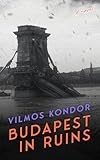


Here are some recent reads that explore themes like displacement, corruption, and survival, all set against the unique atmosphere of Budapest:
- Vilmos Kondor’s noir mysteries dive into the dark side of politics hidden behind Budapest’s elegant surface.
- Julie Orringer’s epic storytelling shines a light on Jewish experiences during some of Europe’s darkest times.
- Jessica Keener’s exploration takes you into American expat life, filled with urban legends.
- Jennifer Alderson’s thrillers mix local cuisine and high-stakes adventures, giving you a taste of the city’s nightlife.
These books will give you an engaging glimpse into the complexities of modern Budapest.