Theme park novels twist familiar joy into something unsettling.
Cotton candy sweetness masks sinister undercurrents, carousel horses gallop toward nightmarish revelations.
Think Crichton’s prehistoric horrors stalking through manufactured Eden, or King’s carnival workers harboring supernatural secrets.
The setup works because the juxtaposition is so stark—innocence corrupted, wonder weaponized.
Behind every cheerful facade lurks something darker, waiting to surface when the last visitor departs and shadows claim the midway.

Key Takeaways
- Jurassic Park by Michael Crichton is the gold standard for theme park novels. It turns a dinosaur adventure into a compelling exploration of scientific hubris and corporate greed.
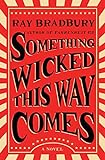
- Something Wicked This Way Comes by Ray Bradbury set the bar for carnival horror. The supernatural dread Bradbury weaves through a traveling fair has influenced generations of dark fiction.
- FantasticLand by Mike Bockoven takes survival horror to brutal extremes. When employees are trapped in an abandoned theme park after a hurricane, civilization collapses fast.
- Joyland by Stephen King mixes carnival nostalgia with genuine supernatural mystery. It’s both a tender coming-of-age story and an effective ghost tale.
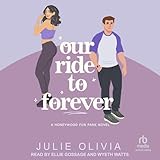
- Recent entries like Julie Olivia’s Honeywood series prove the theme park setting works beyond horror. The genre now includes romance and character-driven drama.


Top Theme Park Novels
Theme parks make perfect settings for exploring humanity’s darker impulses. These novels prove that manufactured fantasy and real terror mix surprisingly well:
- Jurassic Park (1990) – Crichton turns dinosaur resurrection into a masterclass on scientific arrogance. With 4.13 stars from over a million readers, this thriller shows exactly why bringing back extinct predators ranks among humanity’s worst ideas.
- Joyland (2013) – King blends carnival atmosphere with genuine supernatural dread, earning 3.93 stars. The novel works as both a coming-of-age story and a ghost mystery, proving amusement parks harbor more than mechanical thrills.
- FantasticLand (2016) – Bockoven’s survival horror examines what happens when trapped theme park visitors abandon civilized behavior. Its 3.84 stars reflect readers’ fascination with how quickly social order crumbles.
These books use entertainment venues as laboratories for examining control, mortality, and the fragile boundaries between order and chaos.
Dark Theme Park Thriller
| Novel | Terror Element | Core Theme |
|---|---|---|
| *Fantasticland* | Survivor brutality | Social breakdown |
| *Joyland* | Haunted mysteries | Coming-of-age horror |
| *Dreamland* | Murder conspiracy | Class obsession |
Amusement parks make perfect horror settings—all that forced fun hiding something sinister. These novels take familiar attractions and twist them into psychological nightmares. King’s *Joyland* pairs ghost stories with carnival nostalgia, while Bilyeau drops you into 1911 Coney Island where murder lurks behind the spectacle. The rides stop being entertainment and start becoming threats, and those carnival workers? They’re definitely hiding something.


Haunted Carnival Mystery Novel
Ray Bradbury’s *Something Wicked This Way Comes* stands out as the literary benchmark for carnival horror. The story follows two boys facing down a malevolent traveling carnival, and Bradbury pulls off something most authors can’t—he makes supernatural terror work alongside genuine coming-of-age storytelling. The result is a novel where childhood wonder slams headfirst into primal evil. It’s proof that the best carnival mysteries hide their darkest secrets behind the brightest lights.
Abandoned Amusement Park Adventure
Abandoned amusement parks pack serious literary punch. When authors send their protagonists into these decaying wonderlands, they’re working with pure atmospheric gold—rusted rides, overgrown pathways, and that unsettling contrast between what was once joyful and what’s now genuinely creepy.
These settings do heavy lifting in storytelling. Writers use crumbling roller coasters and vine-covered funhouses as more than just spooky backdrops. They’re symbols of lost innocence and forgotten dreams, perfect for forcing characters to face both supernatural threats and their own demons. Every creaking beam and peeling paint layer adds to the narrative tension.
Mike Bockoven’s *Fantasticland* shows exactly how effective this can be. The best writers in this space know how to weaponize nostalgia—taking something that should feel safe and fun, then twisting it into nightmare fuel. You get protagonists uncovering dark secrets while navigating literal and metaphorical dangers, with those silent Ferris wheels looming over everything.
This subgenre excels at blending survival horror with psychological depth. The abandoned park setting naturally raises questions about what happens when civilization’s entertainment veneer strips away, making these stories stick with you long after you’ve finished reading.
Disney World Romance Story
Disney World romances blend magical settings with genuine emotion. Character arcs unfold alongside Space Mountain drops and Dole Whip dates, with relationships developing against nightly firework shows. *Our Ride to Forever* nails this formula—it’s got solid ratings because it delivers both the pixie dust atmosphere and real emotional stakes. Theme parks turn out to be surprisingly effective settings for life-changing love stories.
Water Park Summer Mystery
| Mystery Element | Example | Atmosphere | Character Dynamic |
|---|---|---|---|
| Disappearances | Missing influencer | Tension beneath fun | Hidden rivalries |
| Dark revelations | Moral compromises | Contrasting joy/fear | Privilege vs. truth |
| Family secrets | Dying business | Nostalgic decay | Generational conflict |
| Unexpected incidents | Suspicious accidents | False security | Trust breakdown |
Summer suspense hits different at water parks—the splashing and laughter become cover for darker motives. Every poolside chat could hide betrayal, and that deceptive tranquility? Perfect camouflage for murderous intentions lurking just below the surface.
Roller Coaster Engineering Memoir
Roller coaster engineering memoirs drop you straight into the obsessive world where math meets adrenaline. These engineers don’t just design rides—they’re managing forces that could tear metal apart while keeping passengers safer than their morning commute.
The best memoirs cut through the technical jargon to show you what really happens behind those death-defying drops. Take Steve Alcorn’s “Theme Park Design”—it breaks down how designers actually balance g-forces, safety margins, and pure physics without putting you to sleep. You’ll see the midnight calculations, the wind tunnel tests, and the relentless problem-solving that goes into every curve.
What makes these accounts compelling is watching technology leap from wooden structures to magnetic launch systems, all while engineers maintain their core obsession: controlled chaos. Every bolt matters. Every angle gets calculated dozens of times. It’s the ultimate engineering challenge—creating terror that’s actually safer than crossing the street.
Recent Theme Park Releases
Five standout releases have transformed the theme park fiction terrain, each one capturing different aspects of amusement park romance and drama. These books showcase evolving theme park trends through immersive storytelling and sophisticated character development.
The recent publications offer distinct perspectives:
- Julie Olivia’s Honeywood series dominates with *Their Freefall At Last* (4.09 rating) and *Our Ride to Forever* (4.08 rating), establishing consistent excellence in serialized romance
- Seasonal variety emerges through Jason June’s *Flopping in a Winter Wonderland*, bringing holiday atmospheres to amusement park settings
- Genre expansion continues with Carlyn Greenwald’s *Ride or Die* and the highly-rated *Adventures in Amity* (4.16 rating)

These works collectively demonstrate how contemporary authors are reimagining theme park environments as rich backdrops for exploring human connections, seasonal romance, and emotional transformation.